Byabuku, Uganda
250 children are already showing up. Now we’re building them a school.
Mercy & Grace School is already educating children in rural Uganda—some in temporary classrooms and others beneath the trees. The land for a permanent campus is paid for. The vision is ready.
- $207,220 est. budget
- Pre-K–P7
The school today
This isn’t just an idea.
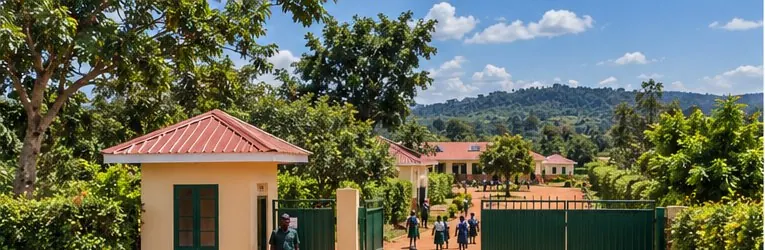
Every day, approximately 250 children come to Mercy & Grace to learn. The school currently operates from two temporary buildings, and some classes meet outside beneath nearby trees.
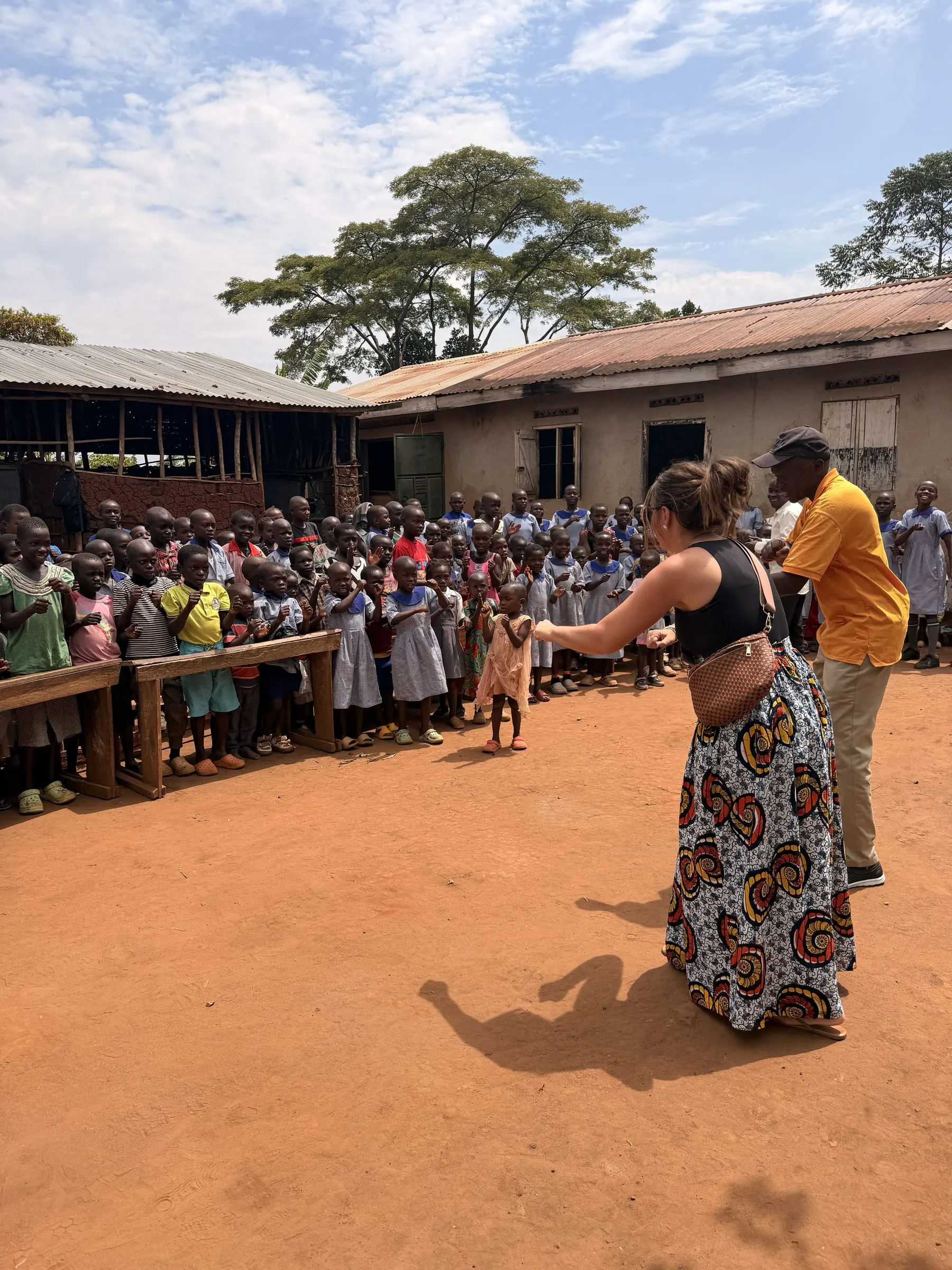 The current school facilities
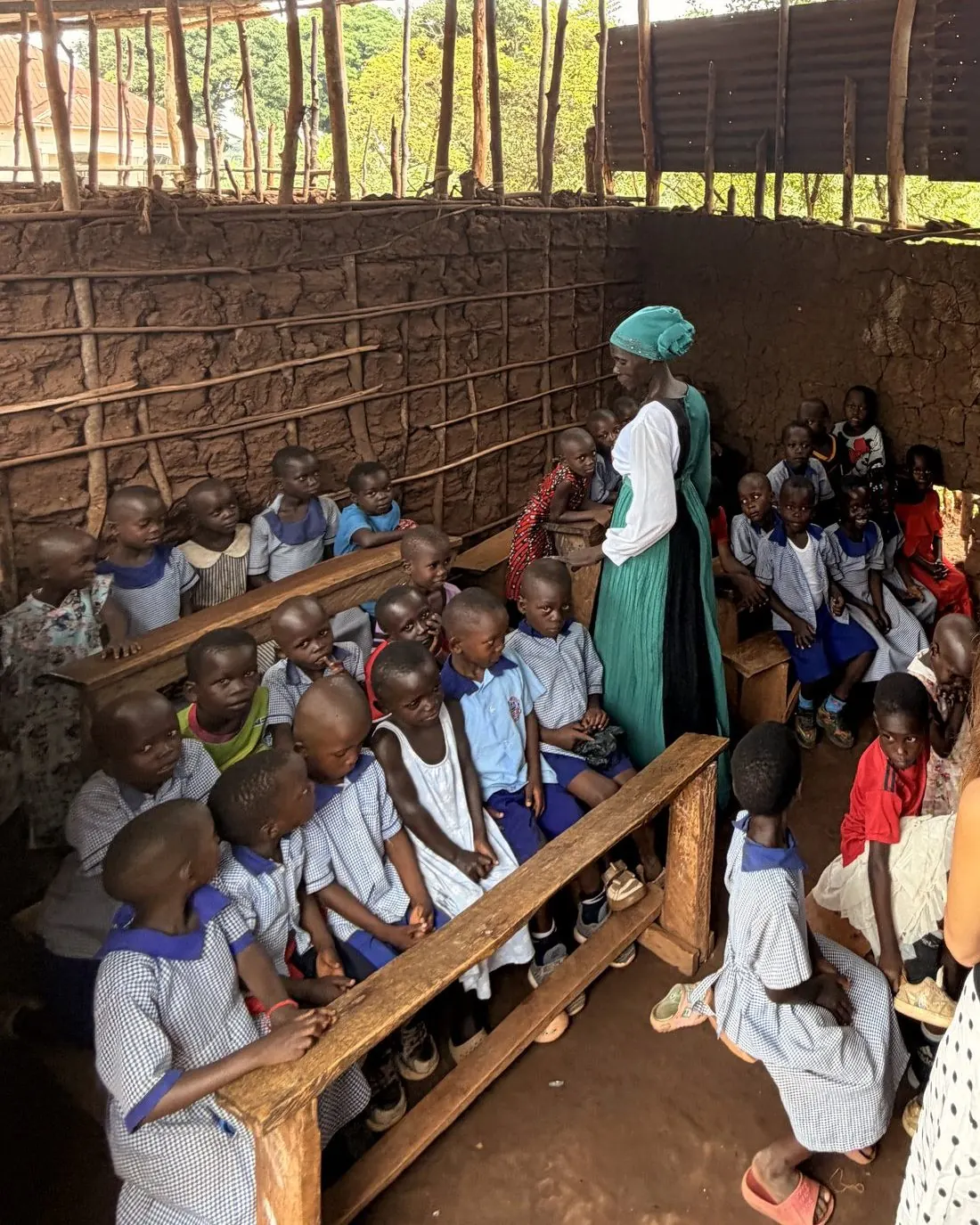
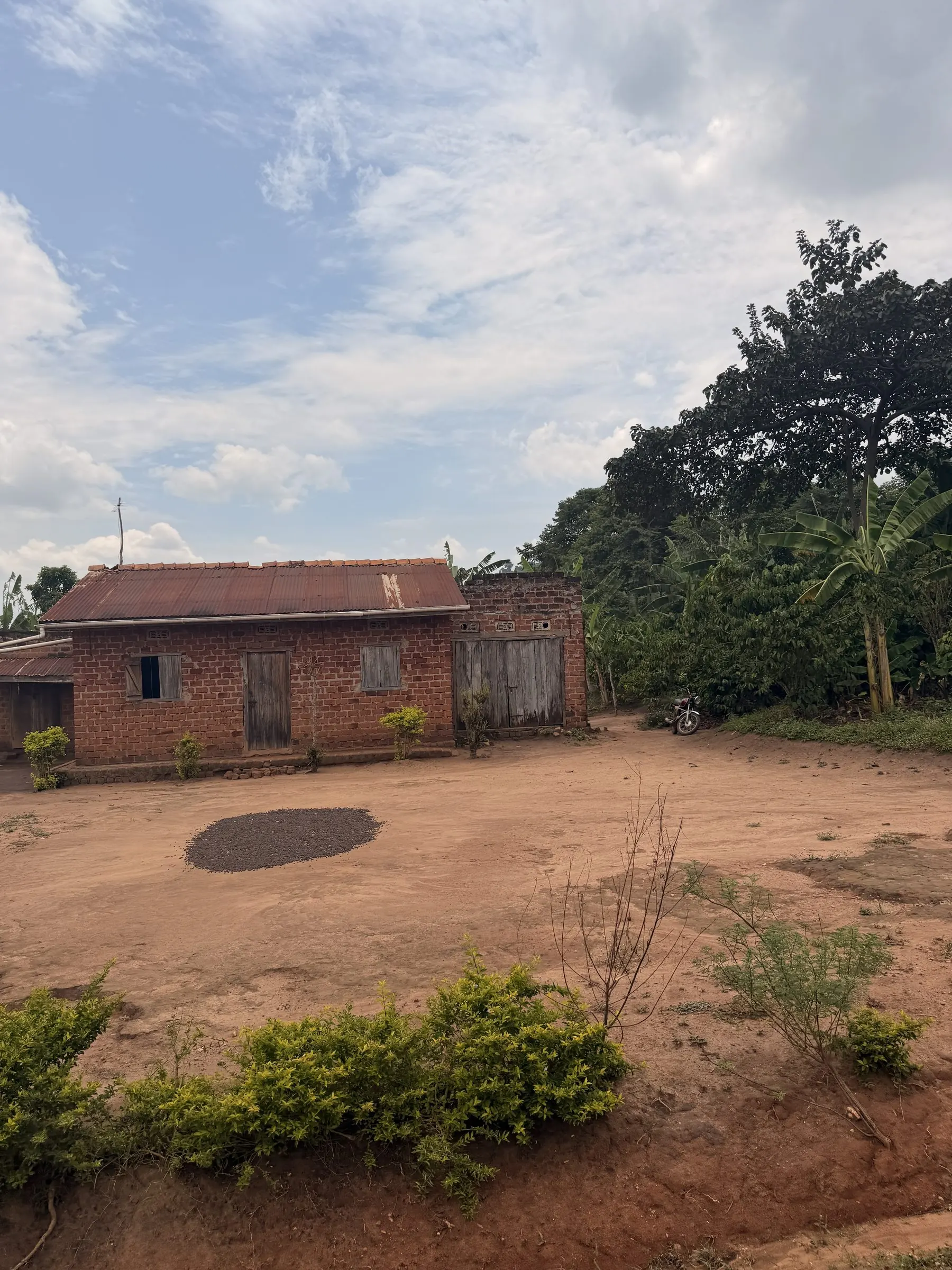
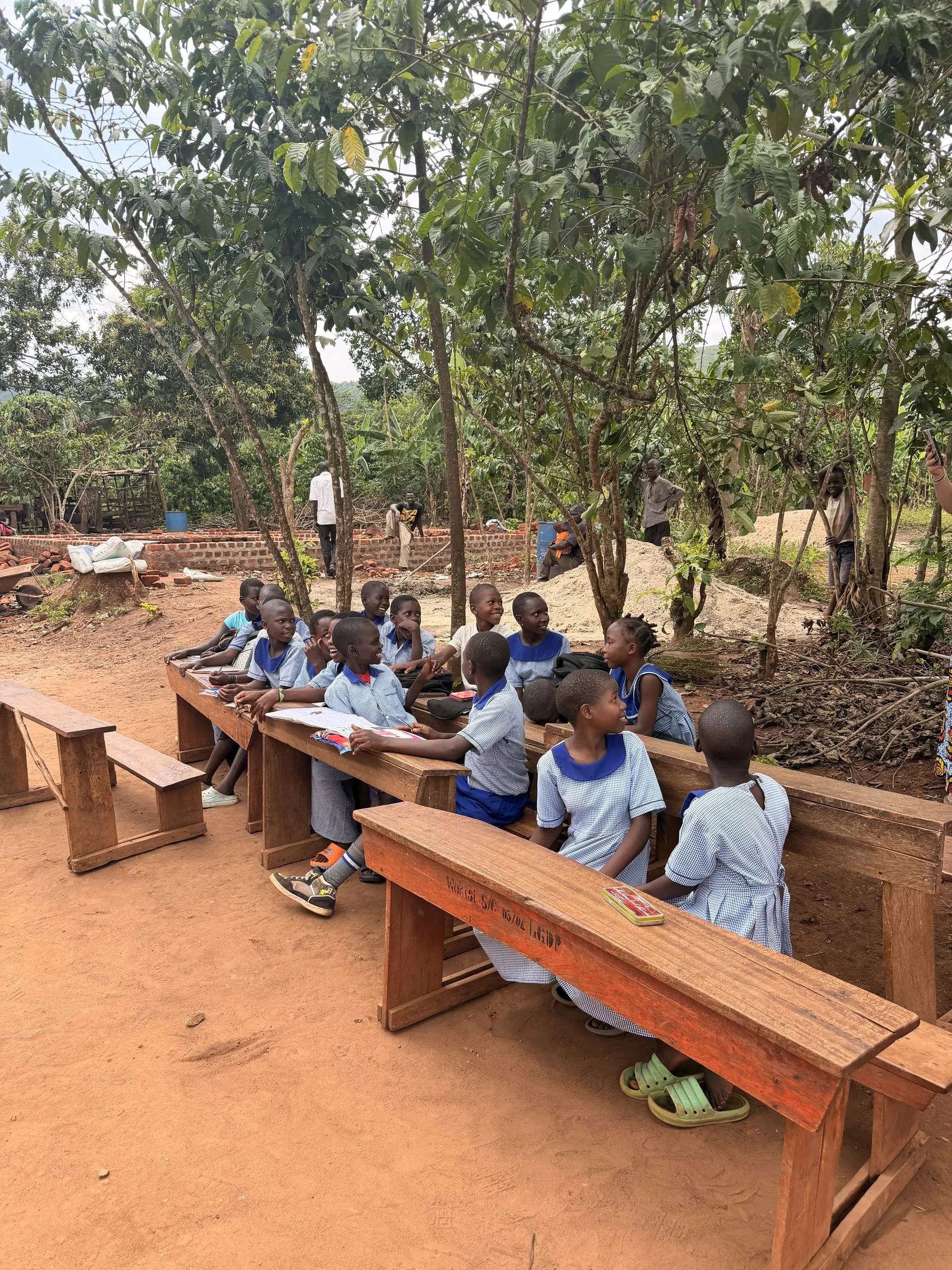
Some don’t have a classroom at all.
The teachers are here. The students are here. What Mercy & Grace needs now is a permanent campus built for the work already happening.
Owned outright
The land is already paid for.
Within walking distance of the current school is the land for its permanent home. Pastor Nelson Ntanda purchased the property in full before this campaign began, with help from Joshua Via and John Lahl.
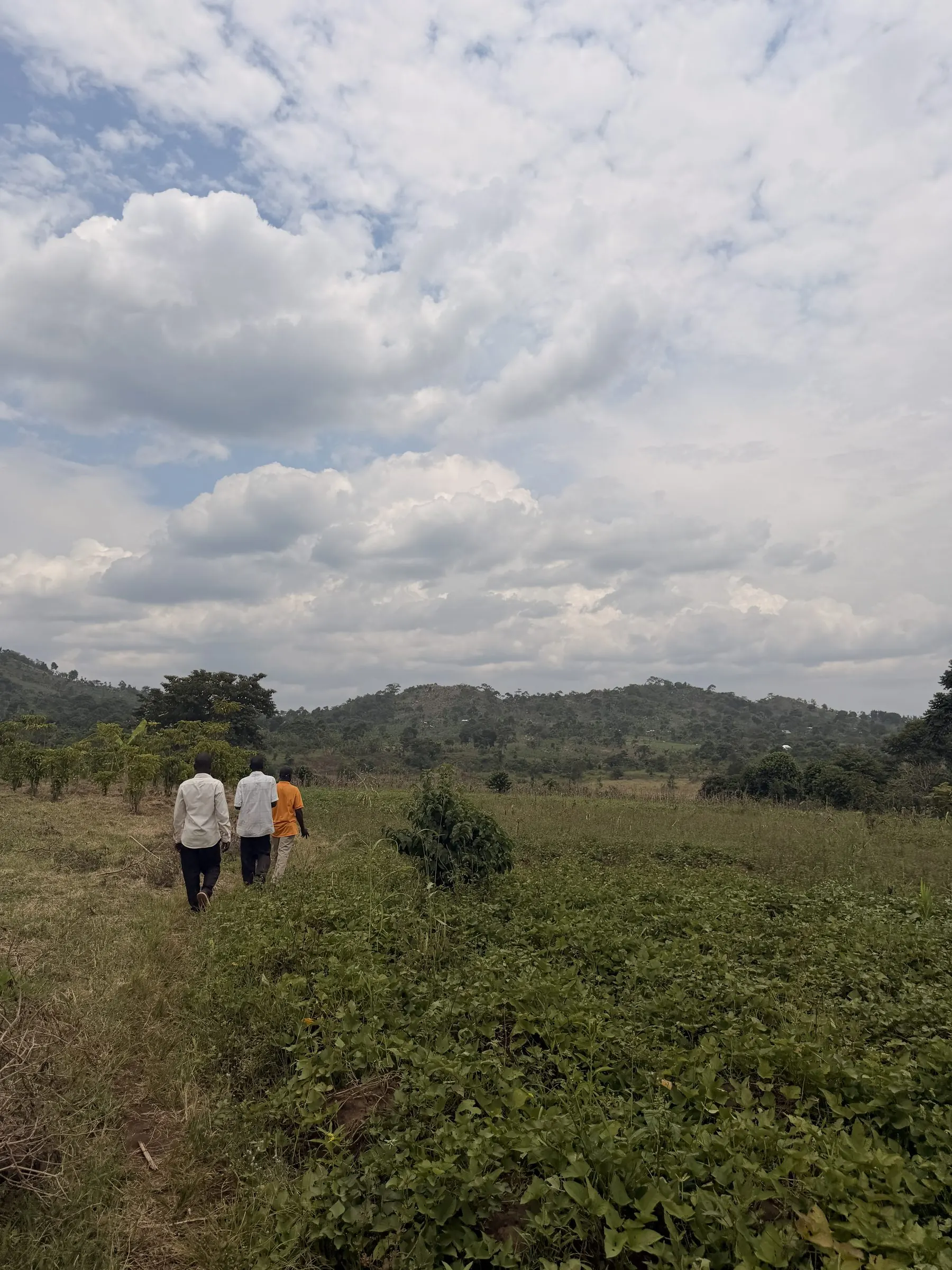
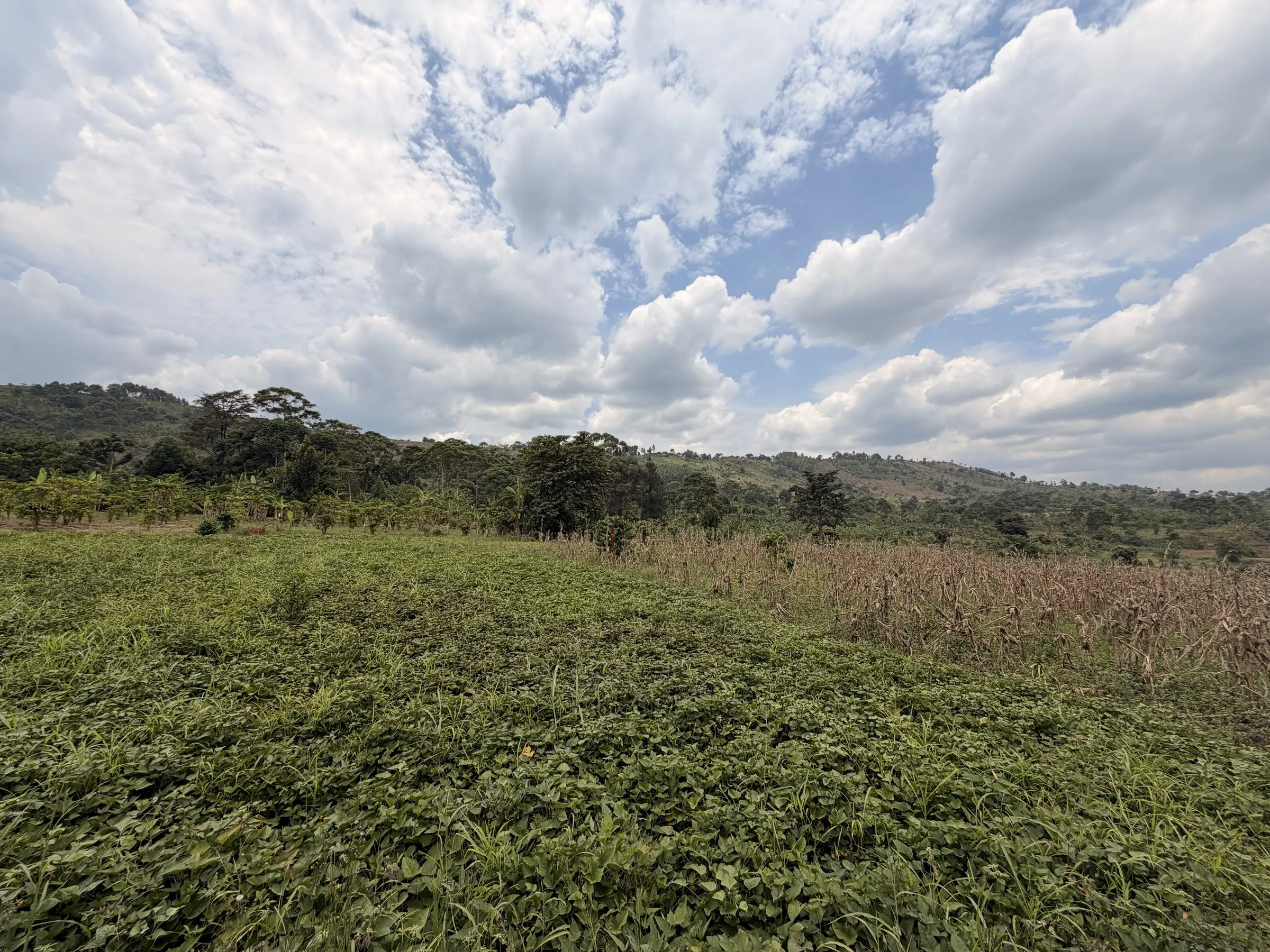
The next step is to build.
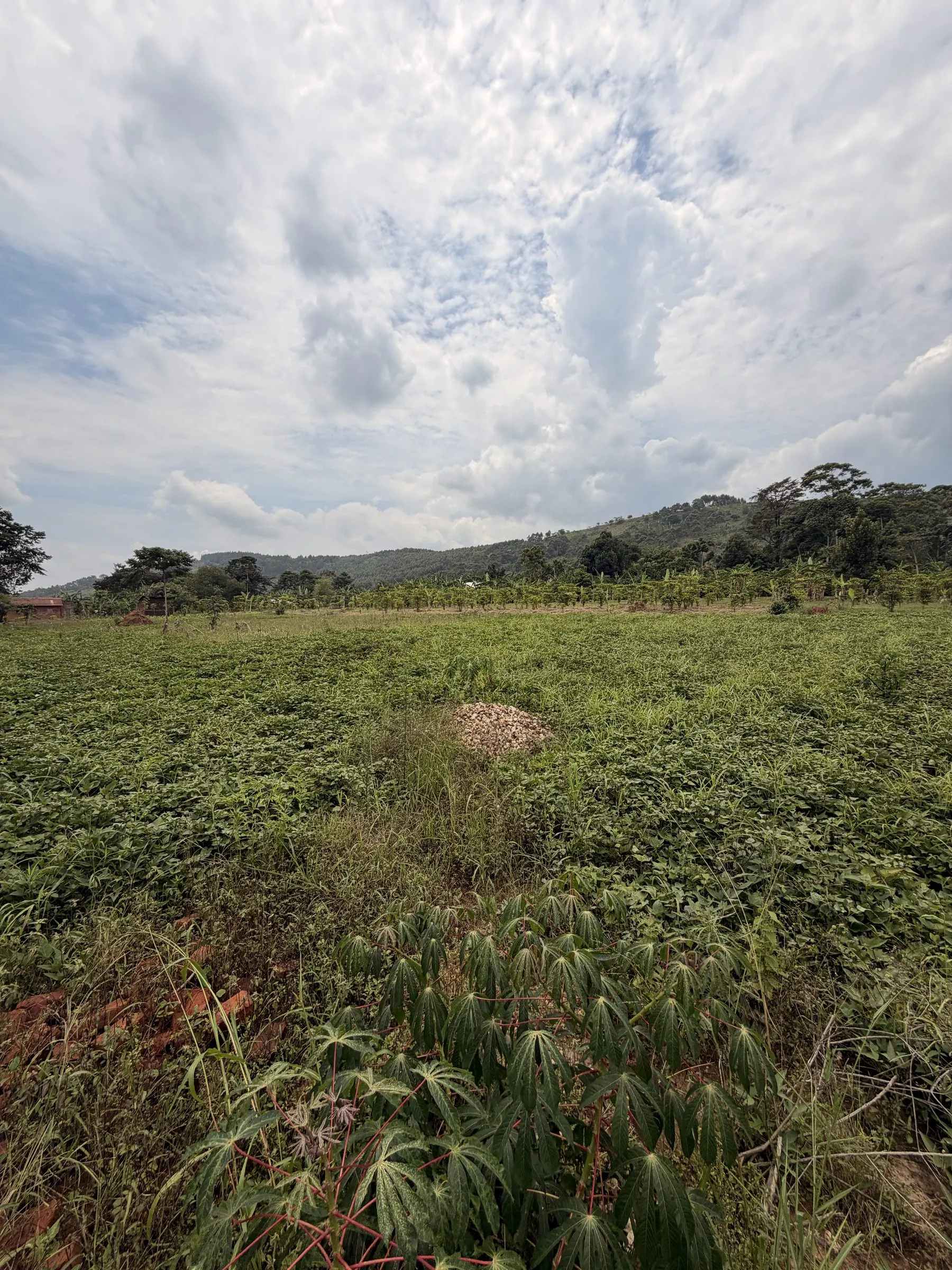
Purchased in full by Pastor Nelson Ntanda, with help from Joshua Via and John Lahl — a short walk from the current school.
The future campus
Explore the future campus.
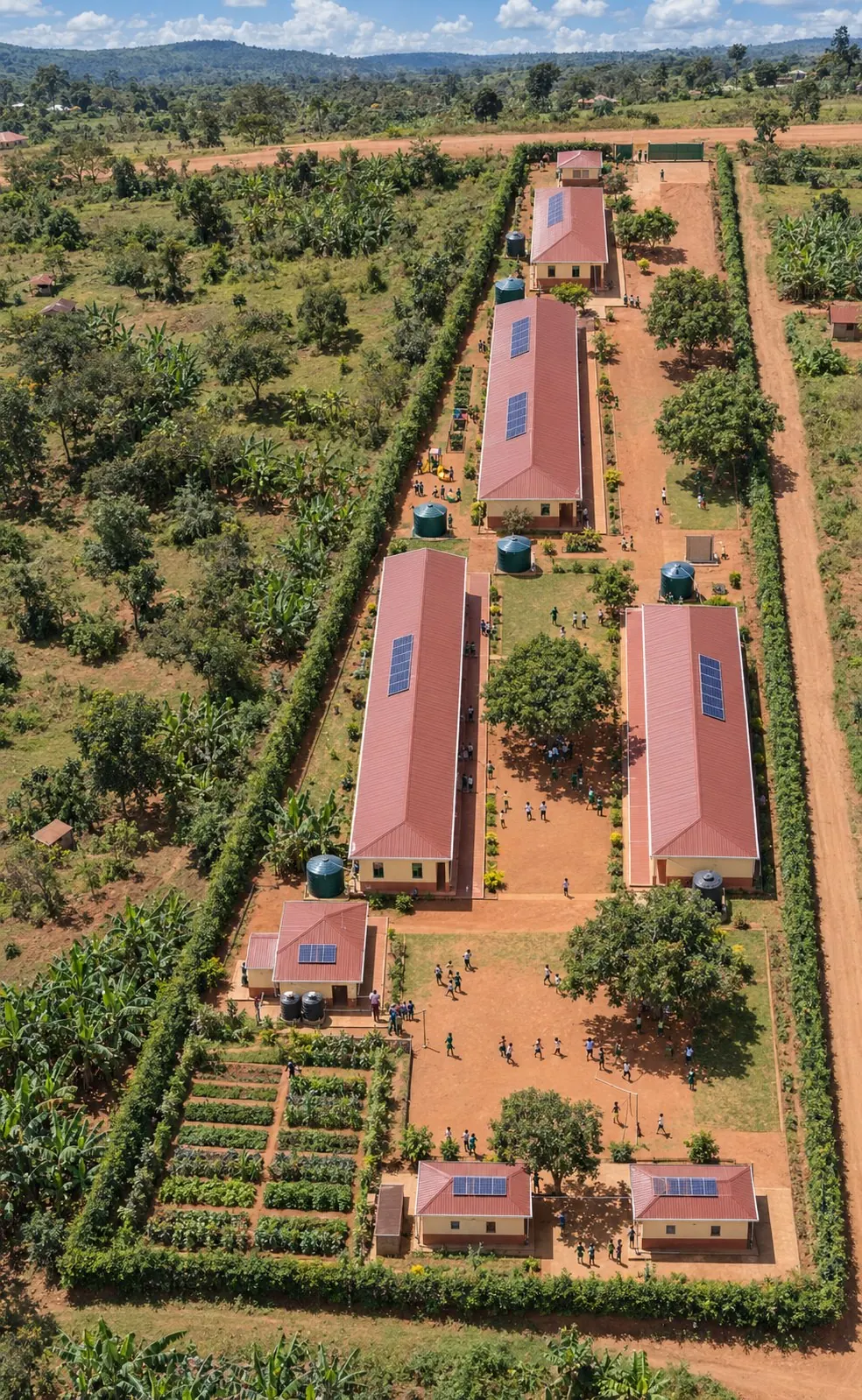
Ten classrooms designed for 240 students, Pre-K through P7—laid out on land that is already owned.
 Architectural visualization
- 1
Administration
A small administration building near the entrance with three offices.
- Funding
- Part of the $207,220 campaign
- Cost
- $29,250
- 2
Classroom block 1 · Nursery / Pre-K
One of three classroom blocks. Classrooms for baby, middle, and top class — the first buildings planned for construction.
- Funding
- Part of the $207,220 campaign
- Cost
- $40,300
- 3
Classroom block 2 · P1–P3
One of three classroom blocks. Single-story lower-primary classrooms with shaded verandas.
- Funding
- Part of the $207,220 campaign
- Cost
- $40,300
- 4
Classroom block 3 · P4–P7
One of three classroom blocks. Upper-primary classrooms completing the path from Pre-K through P7.
- Funding
- Part of the $207,220 campaign
- Cost
- $40,300
- 5
Kitchen
A kitchen designed to serve lunch to every student.
- Funding
- Part of the $207,220 campaign
- Cost
- $12,480
- 6
Water collection
Rainwater collection systems and storage tanks, with filtration and the ability to sell clean drinking water locally to help support operations.
- Funding
- Part of the $207,220 campaign
- Cost
- $14,300
- 7
Solar power
Solar panels, battery storage, and electrical work — supporting campus power and local charging/power services where electricity access is limited.
- Funding
- Part of the $207,220 campaign
- Cost
- $20,800
- 8
Grounds & gardens
Developing the grounds to prepare for tree planting and gardens — banana, matoke, and fruit trees to help feed students.
- Funding
- Part of the $207,220 campaign
- Cost
- $3,250
- 9
VIP latrines
Ventilated improved pit latrines (bathrooms) for students and staff.
- Funding
- Part of the $207,220 campaign
- Cost
- $6,240
Where things stand
Planning comes first.
The project is in its early planning stage. Fundraising will open once a U.S. nonprofit is in place to receive gifts and keep the records. Until then, we are not accepting donations.
$207,220
Estimated project budget · 9 line items
- Land
- Purchased
- Campus plan & budget
- Drafted
- U.S. nonprofit partner
- Not yet in place
- Fundraising
- Not yet open
The full campus plan. When fundraising opens, this drawing will fill in with color as support comes in.
Ugandan-led
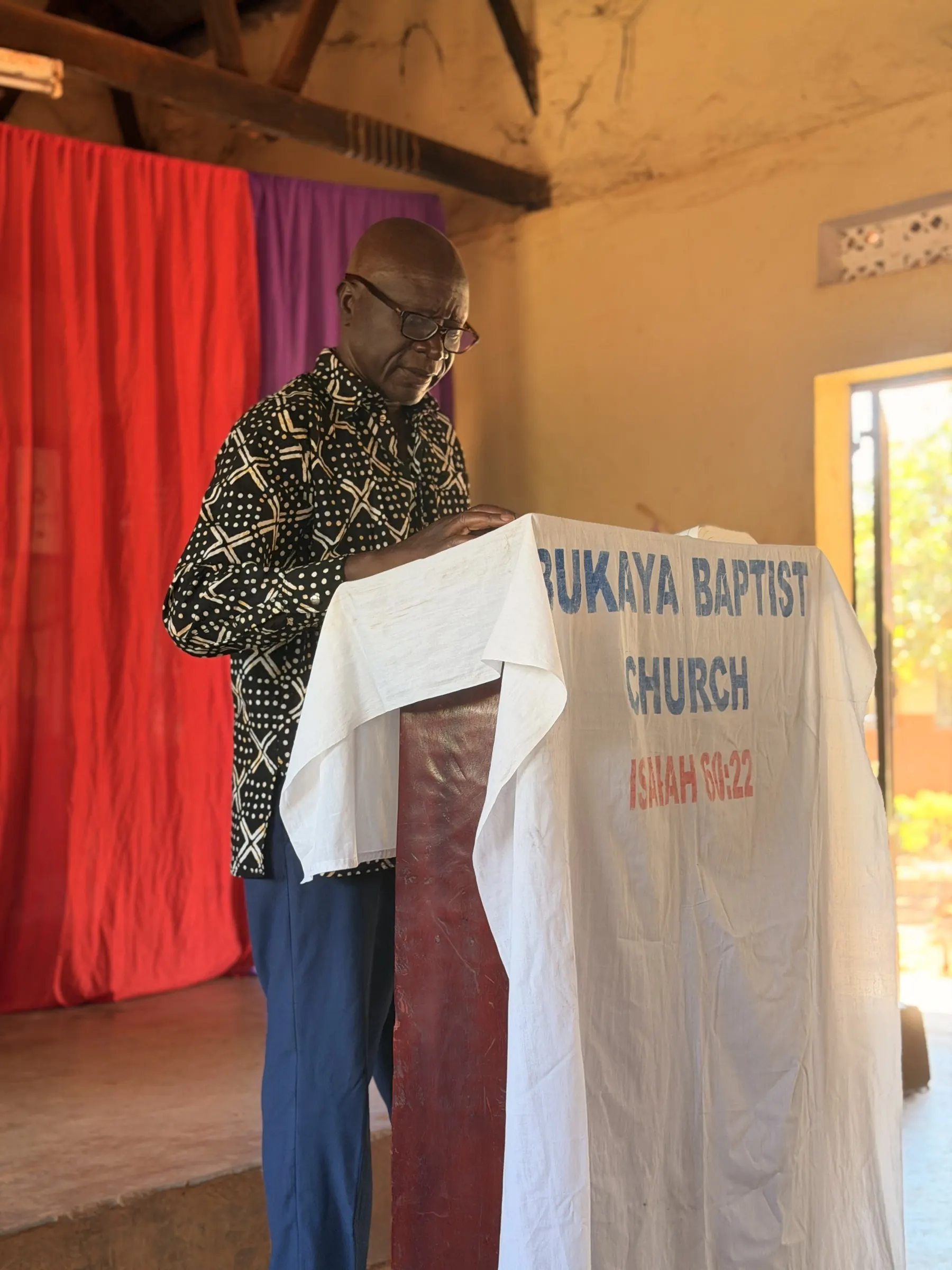
Meet Pastor Nelson Ntanda.
Pastor Nelson Ntanda is a Ugandan pastor who has spent more than 40 years serving Christ through ministry. His understanding of this community is not theoretical. He knows its people, culture, and needs because this is the community he has spent decades serving.
Nelson founded Mercy & Grace School to create educational opportunity for local children, including families unable to afford even modest school fees. Today, approximately 250 children attend the school he began.
A relationship built over time
Josh and Dacia have known Nelson personally since 2012. Over more than a decade of friendship and ministry together, they have seen his character, leadership, and stewardship firsthand and personally vouch for his integrity.
This project is not being led from thousands of miles away. It is being led in Uganda by a Ugandan who has spent his life serving this community.
Partnering with Pastor Nelson
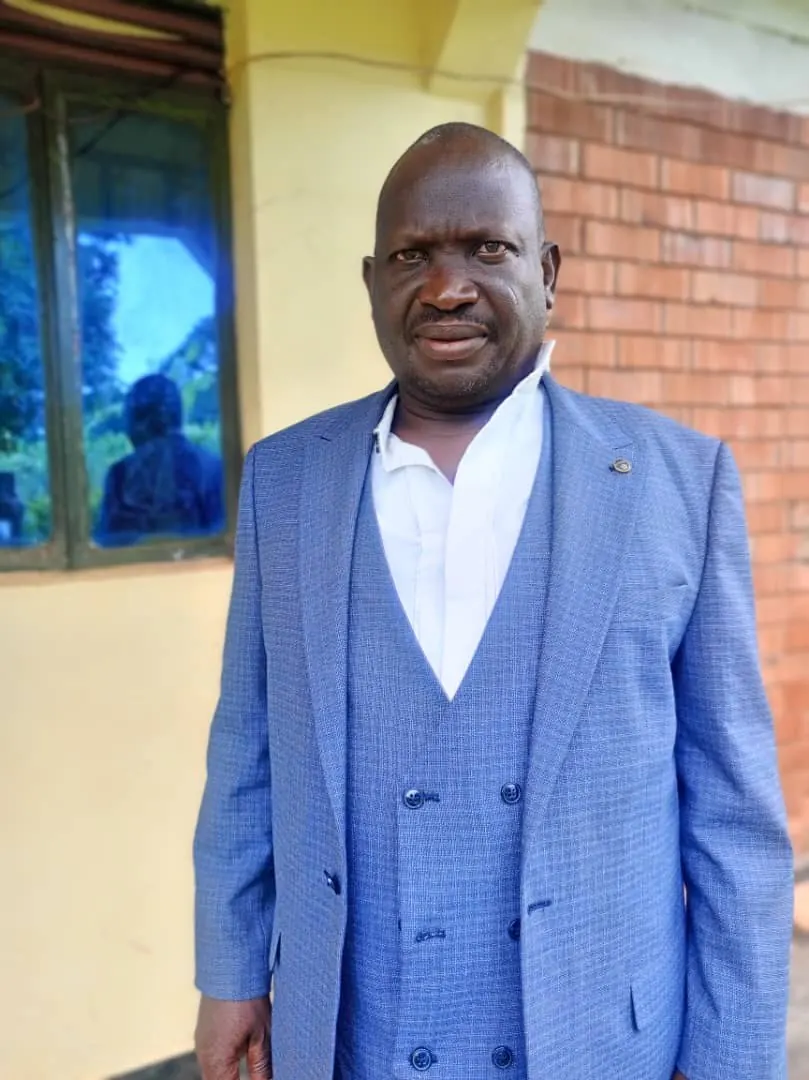
Pastor Robert Masajagge
Pastor Robert Masajagge is partnering with Pastor Nelson on this project.
Sustainability
Not built for permanent dependence.
The campus is designed with practical systems intended to help support ongoing operations.
Grow
Irrigated garden + fruit trees.
Water
Rainwater collection + filtration, with the ability to sell drinking water locally.
Power
Solar panels + battery storage, supporting campus power and local charging/power services where electricity access is limited.
Land + Water + Sun → A school designed for sustainability.
Accountability
Every dollar has a destination.
When fundraising opens, gifts will first be received by a U.S. nonprofit responsible for accounting and record keeping before approved project funds are transferred to Uganda for groundwork, materials, and campus development. That nonprofit is not yet in place, so no donations are being accepted today.
- Step 1
Your gift
Given online or by check.
- Step 2
Receiving nonprofit
Responsible for accounting and record keeping.
- Step 3
Approved transfers
Project funds sent to Uganda.
- Step 4
The build
Groundwork, materials, and campus development.
| Item | Cost |
|---|---|
| Administration | $29,250 |
| Classroom block 1 · Nursery / Pre-K | $40,300 |
| Classroom block 2 · P1–P3 | $40,300 |
| Classroom block 3 · P4–P7 | $40,300 |
| Kitchen | $12,480 |
| Water collection | $14,300 |
| Solar power | $20,800 |
| Grounds & gardens | $3,250 |
| VIP latrines | $6,240 |
| Total | $207,220 |
| Total received | — |
|---|---|
| Transferred to project | — |
| Construction spend | — |
| Remaining funds | — |
Milestones
The build journey.
Land
Purchased (complete)
Planning
In progress (current)
Fundraising
Opens with a U.S. nonprofit
Groundwork
Upcoming
Foundations
Upcoming
Classrooms
Upcoming
Water + Solar
Upcoming
Campus Complete
Upcoming
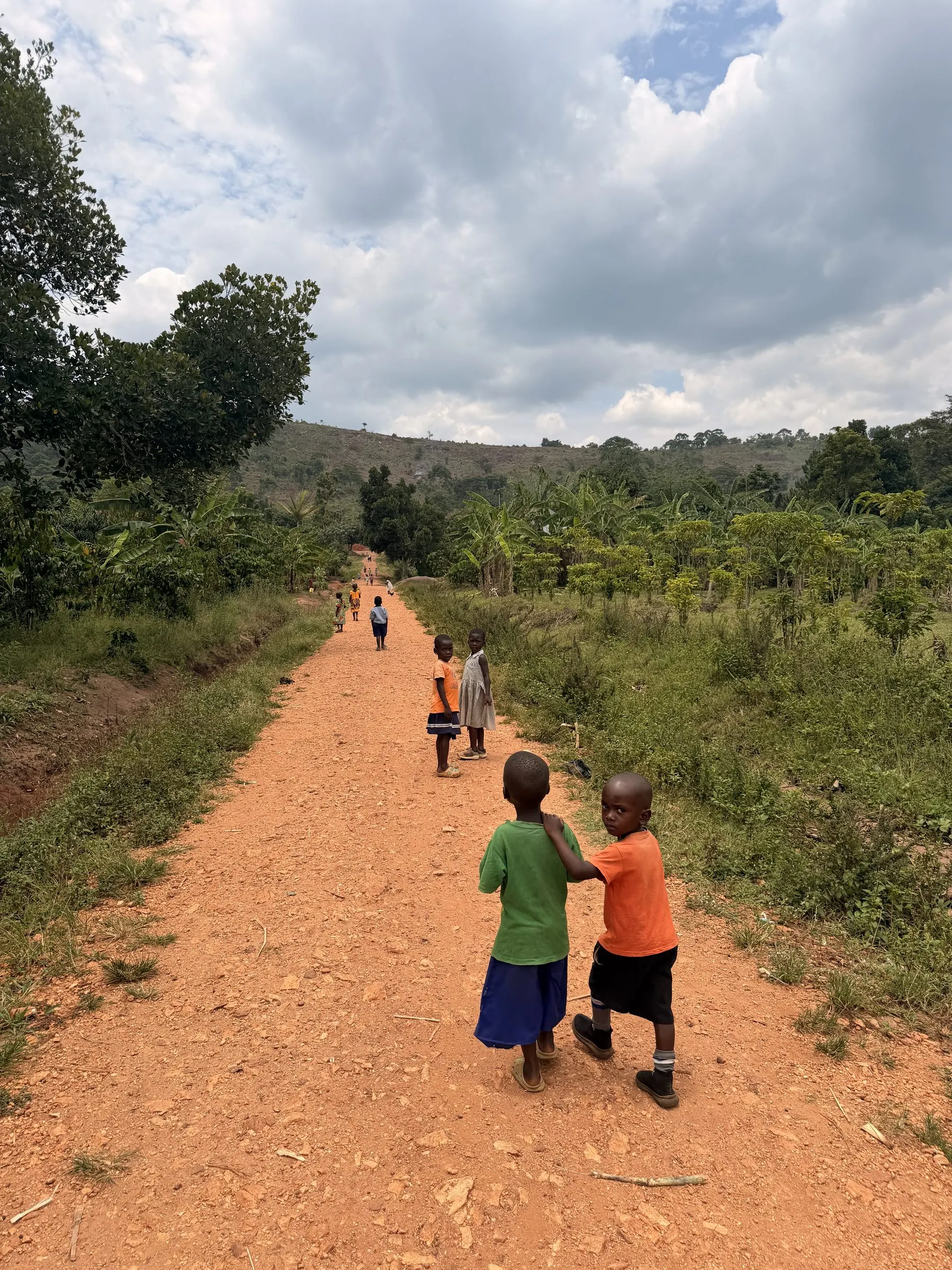
They already have the school. We’re giving it a home.
An estimated $207,220 can turn land that is already owned into a permanent campus built to serve children for generations.
Early planning · not yet accepting donations
Want to be part of it? Josh Hamby coordinates U.S. partners for Pastor Nelson. Reach out to partner, pray, or hear first when fundraising opens.
Contact Josh Hamby